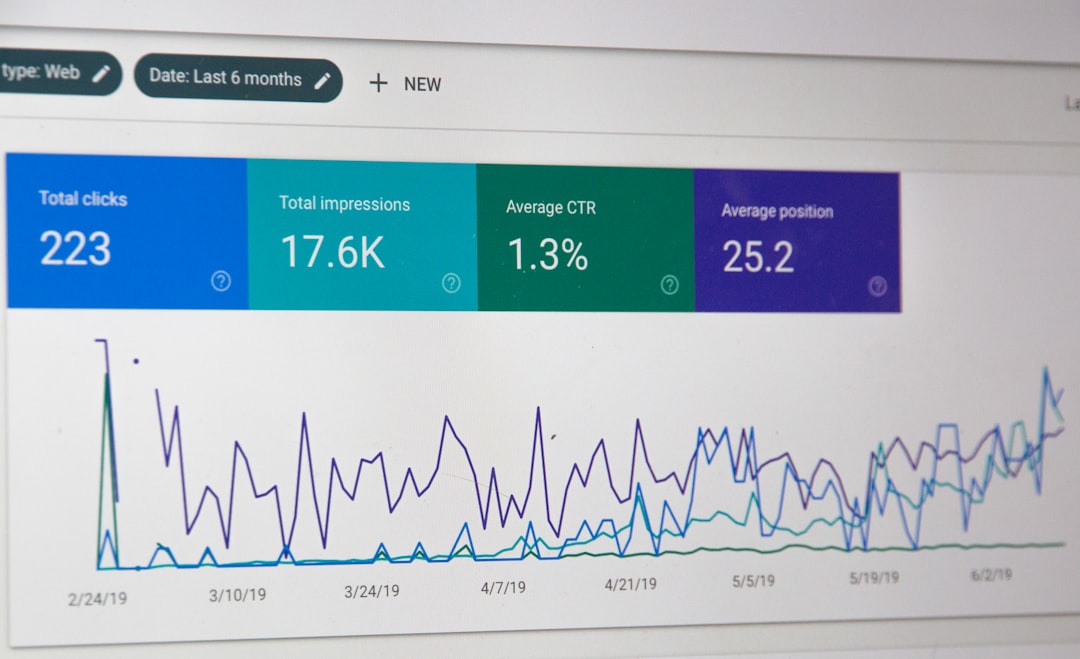
Content gaps are areas where your website lacks comprehensive information compared to competitors. These omissions can hinder your visibility on search engines, affecting traffic and engagement. By identifying these gaps, you can enhance your website’s authority and ultimately lead to improved SEO outcomes.
How to Identify Content Gaps
Recognizing where your site stands compared to others in your niche is crucial. Here are some steps to help you along the way:
- Conduct a competitor analysis.
- Utilize tools like Google Analytics to assess page performance.
- Leverage keyword research tools to spot missing topics.
Competitor Analysis
Your first step should always be a thorough competitor analysis. Examine websites that rank higher than yours and note the topics they cover. This can reveal opportunities where you can provide more in-depth information.
Using Analytics Tools
Tools like Google Analytics offer invaluable data about your audience’s behavior. By reviewing which pages attract the most traffic, you can identify which topics resonate well and which ones need enhancing.
Bridging Content Gaps
Once you’ve identified the gaps in your content, the next step is to bridge them. This involves creating or optimizing content that fulfills those gaps:
- Develop new content on identified topics.
- Update existing content with more detailed information.
- Incorporate rich media like images and videos.
Creating New Content
New content should be crafted to not only fill the gaps but also to provide unique insights that others may lack. Engage your audience with high-quality articles that answer their queries comprehensively.
Updating Existing Content
Optimizing existing content is just as critical. Revisit older articles and infuse them with updated statistics, revised keywords, and new insights to keep the information relevant and engaging.
Measuring the Effectiveness of Your Content
After bridging the gaps, measuring effectiveness is crucial. Use the same tools that helped you find the gaps to monitor your content’s performance. Here are a few metrics to track:
- Organic traffic growth.
- Page engagement rates.
- SEO rankings for targeted keywords.
Tracking Organic Traffic Growth
An increase in organic traffic post-optimization indicates that your bridging efforts were successful. Continually monitor these numbers to ensure ongoing SEO health.
Engagement Rates
Evaluate how users interact with the content. Are they reading through to the end? Are they clicking on internal links? High engagement suggests that your content is resonating well with your audience.
Doing It Right: Tools and Resources
To support your journey in identifying and bridging content gaps, several resources can be significantly useful. Explore this content gap seo guide for detailed methodologies. Moreover, if you’re in e-commerce, understand how to implement shopify seo for norwegian stores technical content best practices as part of your strategy.
External Resources
Consider exploring additional resources too:
- For acting opportunities, check out casting details.
- For a holistic lifestyle, refer to the guide on helse og velvaere din guide for bedre livsstil.
Conclusion
Addressing content gaps is pivotal for maintaining relevance and staying competitive in today’s digital landscape. By understanding how to identify and bridge these gaps effectively, you can enrich your site, improve user experience, and significantly enhance your SEO performance.