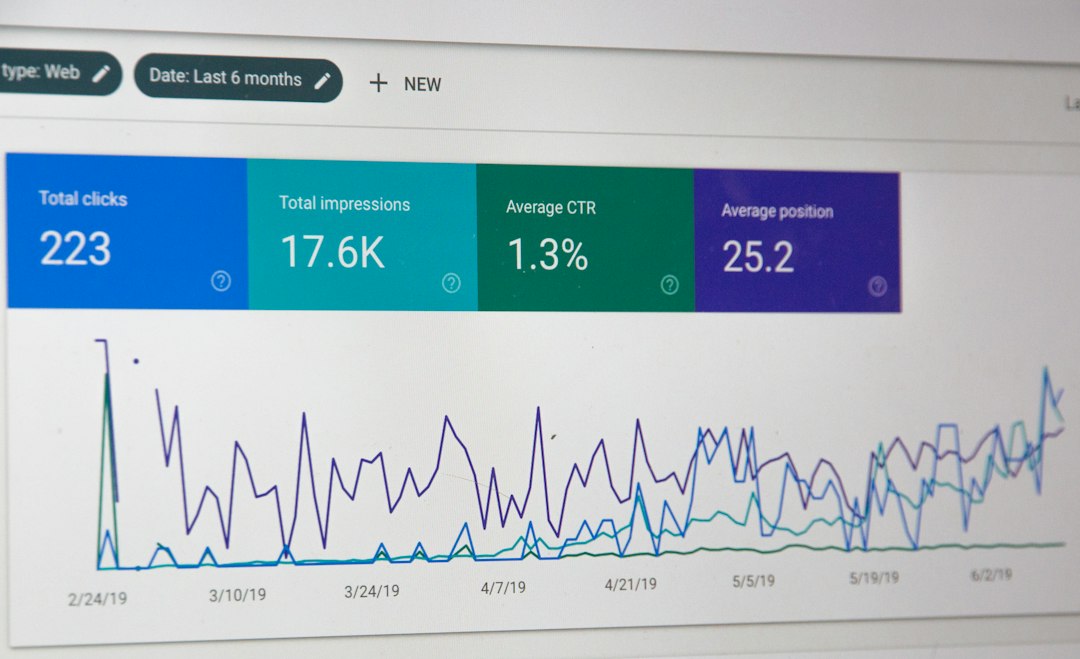
In today’s digital landscape, conducting regular website audits is essential for maintaining a successful online presence. A thorough website audit helps identify potential issues that can hinder your site’s performance and search engine visibility.
Types of Website Audits
Website audits can encompass various aspects of your site. Here’s a breakdown of the different types of audits:
- Technical Audit: Focuses on the backend performance, including site speed, responsiveness, and indexability.
- SEO Audit: Evaluates on-page and off-page SEO factors to enhance search engine rankings.
- Content Audit: Analyzes the quality and relevance of the existing content on your site.
- User Experience (UX) Audit: Assesses the overall user experience to ensure your site is user-friendly and accessible.
Core Components of an Effective Website Audit
A successful website audit typically includes several key components. Focusing on these elements will provide you with a detailed understanding of your website’s performance:
1. Technical Performance
Your website’s technical performance can affect how search engines crawl and index your content. Important factors include:
- Page Load Speed: A slow-loading website can lead to high bounce rates.
- Mobile Responsiveness: Ensure your site is fully functional on mobile devices.
- Broken Links: Identify and fix any broken links that might reduce user experience.
2. SEO Factors
The audit must also consider important SEO elements:
- Keyword Optimization: Assess keyword usage in titles, headers, and meta descriptions.
- Backlink Profile: Evaluate the quality and relevance of sites linking back to your site.
- Competitive Analysis: Compare your SEO performance against competitors.
3. Content Quality
High-quality content is critical for engaging visitors and improving SEO. Key aspects include:
- Relevance: Ensure your content aligns with user intent and current trends.
- Freshness: Regularly update existing content to keep it relevant.
- Readability: Maintain clarity and concise language for better comprehension.
Conducting Your Website Audit
To conduct an effective website audit, follow these steps:
- Define Your Goals: Know what you want to achieve from the audit.
- Use Audit Tools: Leverage tools like Google Analytics and SEMrush to gather data.
- Analyze the Data: Interpret the data to identify strengths and weaknesses.
- Create an Action Plan: Develop a roadmap for improvements based on your findings.
Benefits of Regular Website Audits
Engaging in regular audits has several advantages:
- Improved Performance: Regular audits help maintain or enhance site speed and reliability.
- Better Rankings: An SEO audit improves your chances of ranking higher on search engine results.
- Enhanced User Experience: A UX audit ensures that your audience finds your website navigable and pleasant.
Conclusion
Website audits are a crucial part of maintaining a strong online presence. They not only reveal areas for improvement but also strategically position your site for long-term success. For more detailed insights on this topic, check out our post on Website Audits: The Key to a Successful Online Presence.