Content gaps refer to the areas where your website lacks sufficient information or where the existing content does not fully meet user intent. Identifying these gaps is crucial for improving your SEO performance and enhancing user experience. This article will explore strategies to find and fill these gaps, ensuring your content remains relevant in today’s digital landscape.
The Importance of Filling Content Gaps
Filling content gaps can significantly impact your website’s visibility and authority in search results. Addressing these gaps can lead to:
- Improved user satisfaction: By providing comprehensive answers, you enhance the user experience.
- Higher search rankings: Google prioritizes content that satisfies user queries, meaning better rankings for your site.
- Increased traffic: Optimized content attracts more visitors, ultimately leading to higher conversions.
How Content Gaps Affect Your SEO
When users search for information, they seek authoritative articles that cover their questions in depth. If your content is lacking in relevant topics or fails to address specific queries, it could result in users bouncing away from your site. This behavior signals to search engines that your site may not be the best fit for those searches, yielding a drop in organic traffic.
Strategies for Finding Content Gaps
Identifying content gaps requires a proactive approach that involves several strategies:
- Analyze Competitor Content: Review your competitors’ websites and identify topics they cover that you don’t. Use tools like Ahrefs or SEMrush to discover keywords they rank for.
- Use Keyword Research Tools: Employ tools like Google Keyword Planner or Ubersuggest to uncover potential long-tail keywords. These keywords might reveal questions your audience is asking.
- Survey Your Audience: Directly ask your existing audience what content they would like to see. Use social media polls or email newsletters to gather insights.
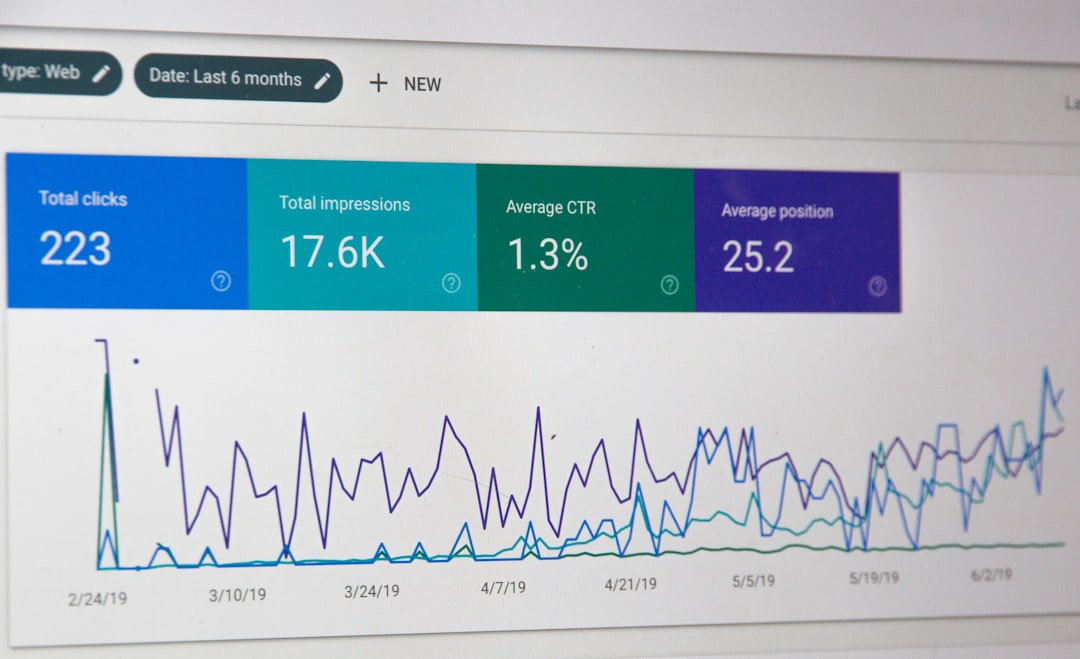
- Monitor Search Queries: Analyze your current website traffic through Google Search Console. Look for queries that lead to impressions but have low clicks, indicating potential gaps.
Utilizing Content Audit Techniques
A content audit can also help highlight areas in need of improvement. By assessing existing content, you can pinpoint articles that may not be performing well and either update them or create new content to fill the gaps.
Optimizing Existing Content
Once you’ve identified content gaps, consider optimizing your existing articles to cover these areas. Here are some tips:
- Update Outdated Information: Refresh old articles to include the latest data or trends.
- Add Multimedia Elements: Enhance text-based content with visuals like images or videos, making it easier for users to digest.
- Utilize Internal Links: Connect related content through internal linking to improve navigation and SEO performance.
Guide to Crafting New Content
When creating new content, ensure that you deliver answers that directly address searcher intent. Follow these steps:
- Develop a Comprehensive Outline: Create an outline that covers every aspect of the topic in detail.
- Incorporate Relevant Keywords: Use the identified keywords naturally within your content to ensure it resonates with both users and search engines.
- Optimize for Featured Snippets: Structure your content to target featured snippets by utilizing clear headers and bullet points.
Linking Strategies for Content Gaps
Link building is a crucial element in filling content gaps. You can enhance your authority by linking to high-quality resources and ensuring your internal links connect with relevant external articles. For example, our Speed Strategies for Norwegian Sites: Optimize UX & Rankings post offers insights on optimizing user experience, while the Crafting an Effective Content Strategy in 2026 article provides a framework for enhancing your content strategy.
Conclusion: Staying Ahead in Content Development
Constantly monitor your content to spot new gaps and opportunities. As search algorithms evolve, your strategies must adapt. By implementing the techniques discussed above and leveraging resources such as Maximizing Local Visibility with Google Business Profile for Norway and On-Page SEO Mastery for Norwegian Sites: Practical Optimization, you can maintain a competitive edge in the digital landscape.